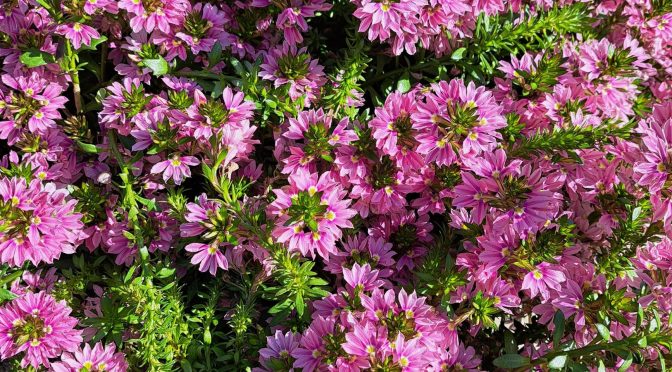
Please see the winning images which were announced at our annual meeting on 11 April 2026, plus all the entries below. Double click on an image to see a full size version.
-
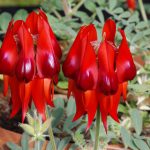
- Category 1 – Swainsona formosa – Sturt Desert Pea. Credit Alan Bryan.
-
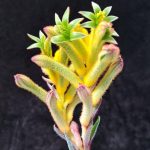
- Category 2 – Anigozanthos ‘Bush Fire’ Credit Gary Firth
-
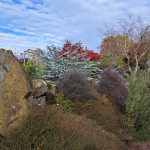
- Category 3 – Australasian Garden at Nymans, England. Credit Gary Firth
Category 1 – My favourite Australasian Plant showing the whole plant or part of it, taken in my garden conservatory or greenhouse.
-
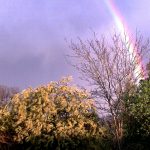
- Acacia pravissima
-
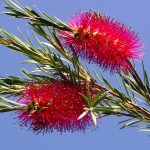
- Callistemon citrinus ‘Splendens’
-
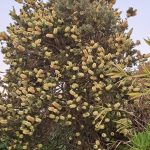
- Callistemon sieberi
-
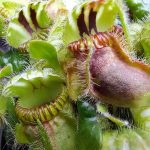
- Cephalotis follicularis
-
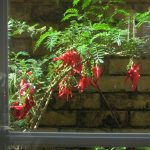
- Clianthus maximus kakaking
-
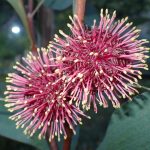
- Hakea laurina
-
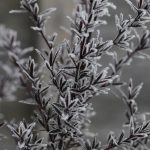
- Leptospermum electric red in the winter
-
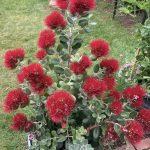
- Metrosideros
-
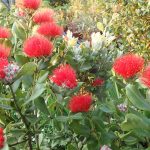
- Metrosideros excelsa
-
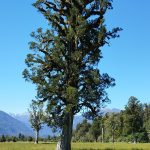
- Podocarpus totara
-
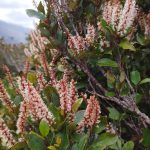
- Pterophylla racemosa
-
- Category 1 – Swainsona formosa – Sturt Desert Pea. Credit Alan Bryan.
Category 2 – Close up of any plant of Australasian origin, showing diagnostic features (for example leaves or flowers), taken anywhere in the world.
-
- Category 2 – Anigozanthos ‘Bush Fire’ Credit Gary Firth
-
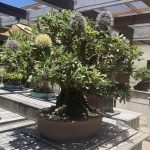
- Banksia bonzai
-
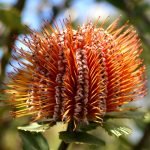
- Banksia coccinea orange form
-
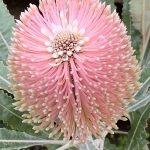
- Banksia menzesii
-
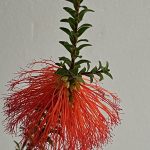
- Beaufortia squarrosa
-
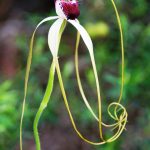
- Caladenia excelsa
-
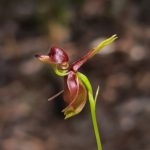
- Caleana major
-
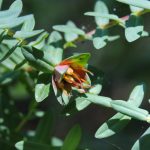
- Darwinia citriodra
-
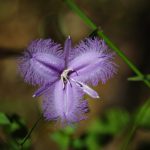
- Fringe lily_Thysanotis
-
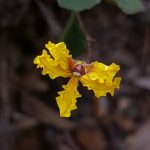
- Goodeniaceae
-
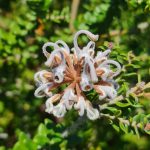
- Grey spider flower
-
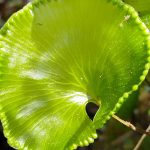
- Hymenophyllum reniforme
-
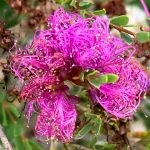
- Meleleuca thymifolia
-
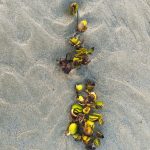
- Migrating mangrove
-
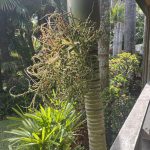
- Nickaupalm – photo 2
-
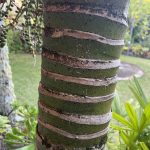
- Nikaupalm – photo 1
-
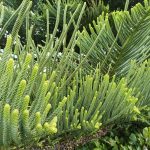
- Norfolk Island Pine
-
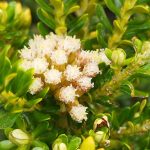
- Ozothamnus leptophyllus
-
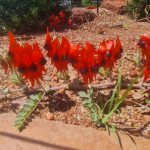
- Swainsona formosa – Sturt Desert Pea
Category 3 – Group of Australasian plants, in a private or public garden, anywhere in the world.
-
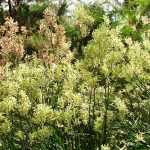
- Anigozanthos at National Botanic Garden of Wales
-
- Category 3 – Australasian Garden at Nymans, England. Credit Gary Firth
-
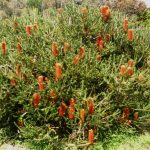
- Banksia ericifolia at Banksia Farm Garden – Mt Barker, Western Australia
-
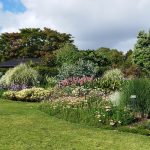
- Botanic Garden Auckland, New Zealand
-
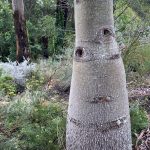
- Chelsea Graden at Olinda
-
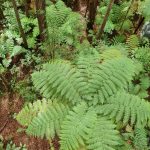
- Cyatha ferns at Rotorua, New Zealand
-
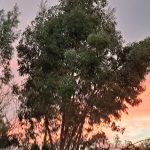
- Eucalyptus trees in my garden, England
-
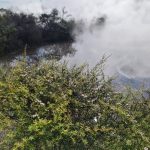
- Manuka at geothermal lake at Rotorua, New Zealand
-
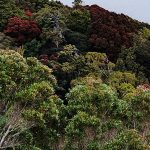
- Metrosideros at Rakiura, New Zealand
-
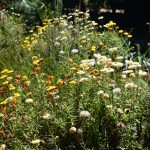
- Paper daisies at Karwarra Native Australian Botanic Garden
-
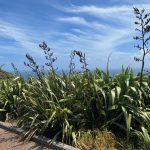
- Phormium tenax at Cape Reinga New Zealand
A reminder of the entry requirements:
The competition is free to members and simple to enter. See entries from previous competitions below. Simply find your favourite images or take some new ones, choose which categories you wish to enter, and send in your entry. You can send in your entry in now, with a final deadline of Monday 16th March 2026.
The categories are:
- My favourite Australasian plant, showing the whole plant or part of it, taken in my garden, conservatory or greenhouse.
- Close up of any plant of Australasian origin showing diagnostic features (for example, leaves or flowers), taken anywhere in the world.
- Group of Australasian plants in a private or public garden, anywhere in the world.
Please send entries as .jpeg files to Gill at publicity@anzplantsoc.org.uk. Please include your name, entry category and photograph title in the name of your jpeg file, for example: JJSmithcat1silverwattle.
Images, without the name of the photographer, will be available to view via the website. Members will be able vote once for their favourite image in each category. Voting will take place online from the 20th March – look out for the voting forms.
There will be a prize for the winner and the runner up in each category and the results will be announced at the 2026 AGM at Sir Harold Hillier Gardens on Saturday 11th April. Winning photos will be placed on the APS website and printed in the May 2026 issue of Pentachondra.
Finally, just a quick reminder of the rules.
- Only photographs taken by current APS members and not used commercially will be accepted.
- Photos can have been taken at any time.
- Entries are limited to two per member per category.
Please note that while copyright of images will remain with the photographer the APS, as part of entry to this competition, would like to use any images to further its aims and to promote the APS and its photography competition. This includes publishing photos in APS publications, on the website, or on social media, and to use images in combinations with others. All published photographs will be credited.
In your entry email please note who a photo should be credited to, or if no credit is required. If you only want your photo entered in the competition, please state ‘Photo only for this competition’ in your entry email.
We’d love to see your images of Australasian plants and we look forward to receiving your entry.
Photo Competition 2025
Here are some of the photo entries from Colin Kitchener, who won a prize in each category:
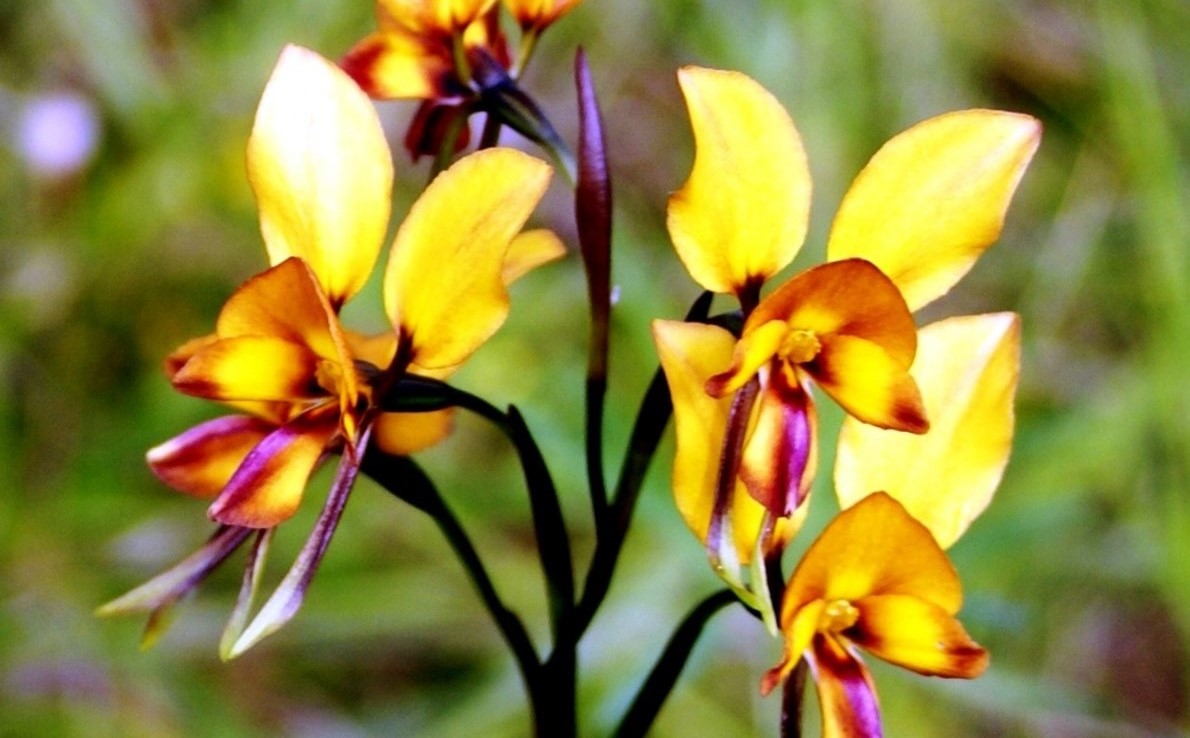
Class1, Individual plant of Australasian origin. Credit Colin Kitchener.

Class 2, Close up of a plant of Australasian origin. Credit Colin Kitchener.
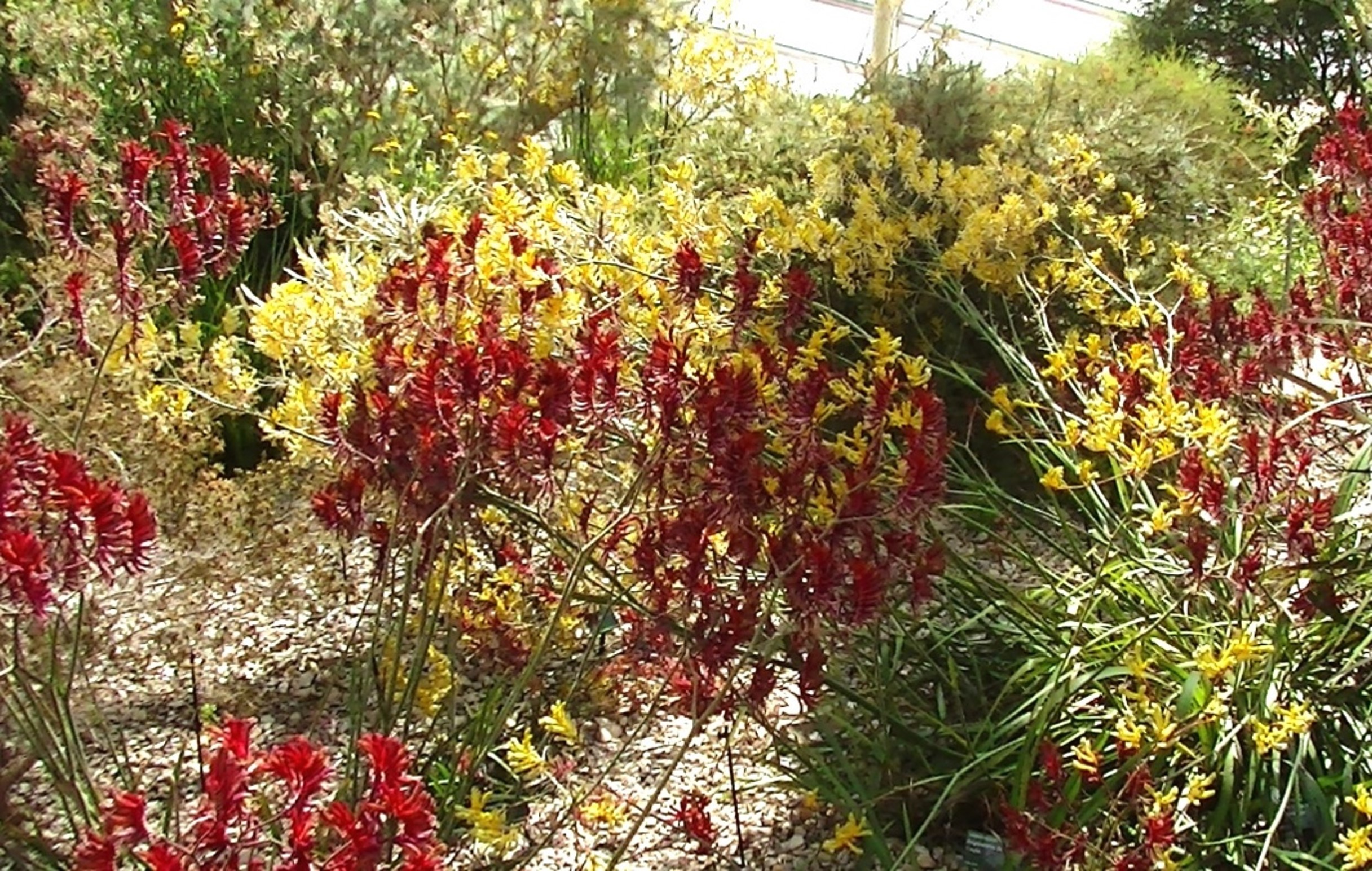
Class 3, Group of Australasian plants in a garden. Credit Colin Kitchener.
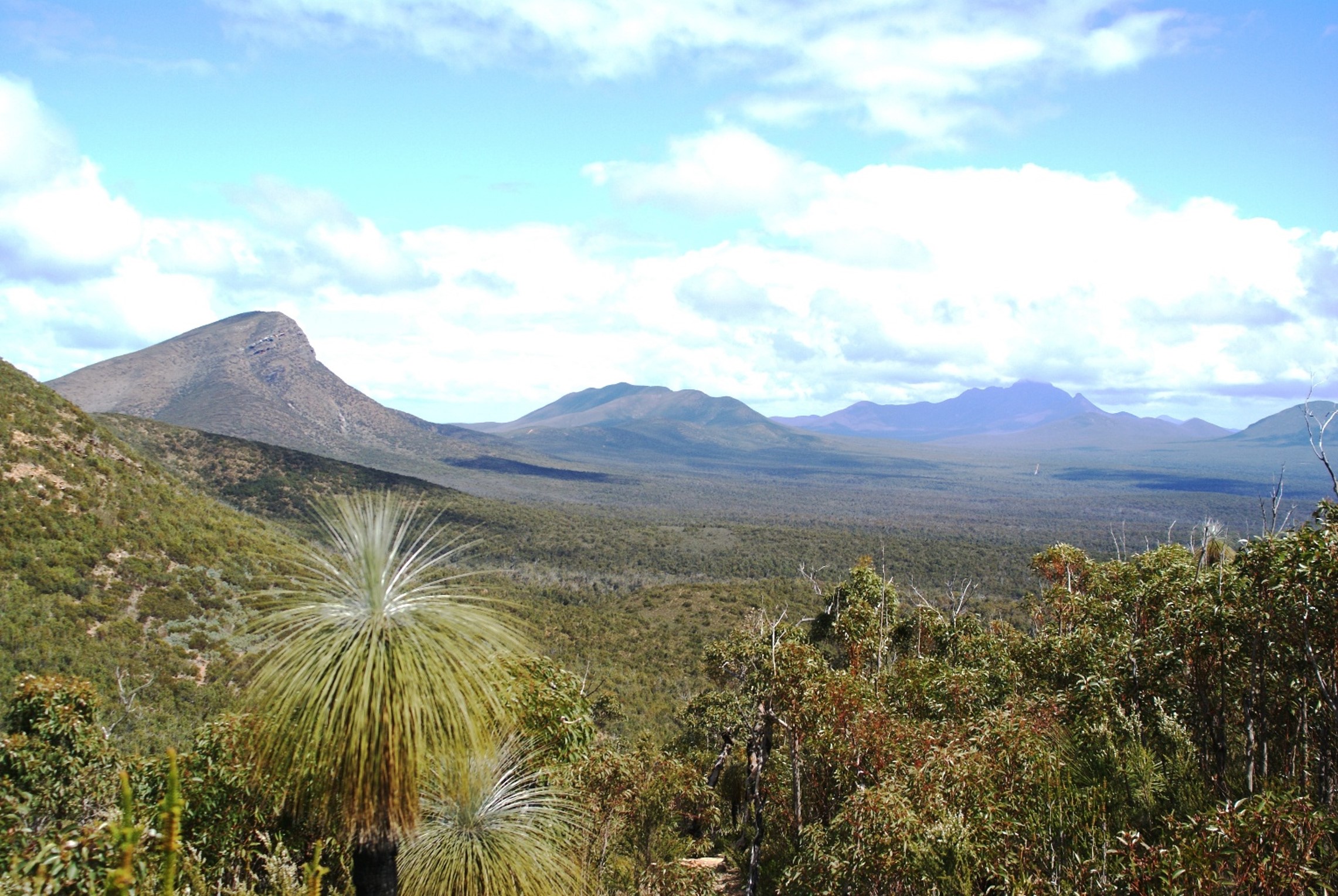
Class 4, Australasian plants in a landscape in Australia or New Zealand. Credit Colin Kitchener.
Photo Competition 2020
Libertia peregrinans by Hugo Danckwerts 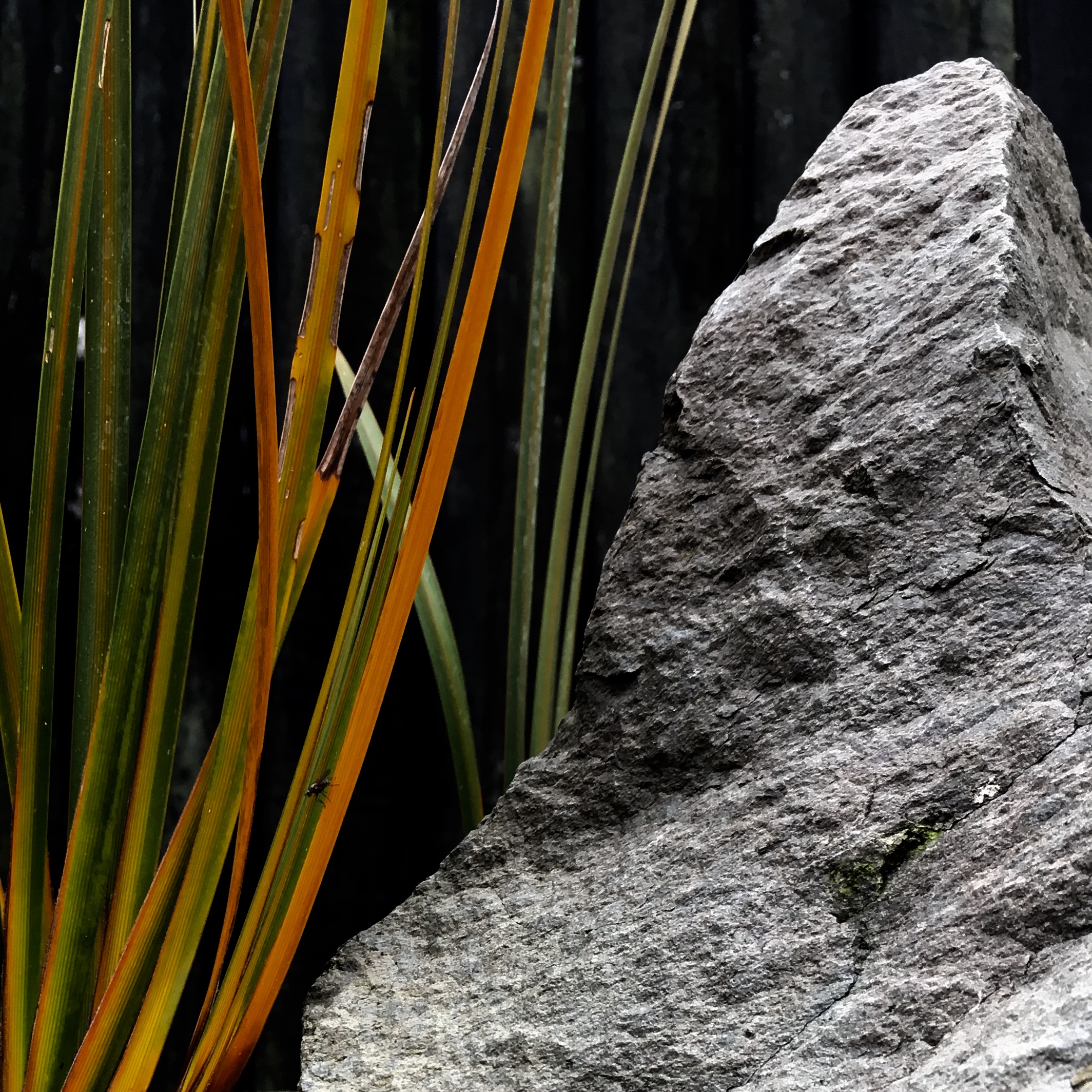 This striking New Zealand native is growing in a concrete rock garden container in Hugo’s garden.
Swainsonia formosa by Alison Foster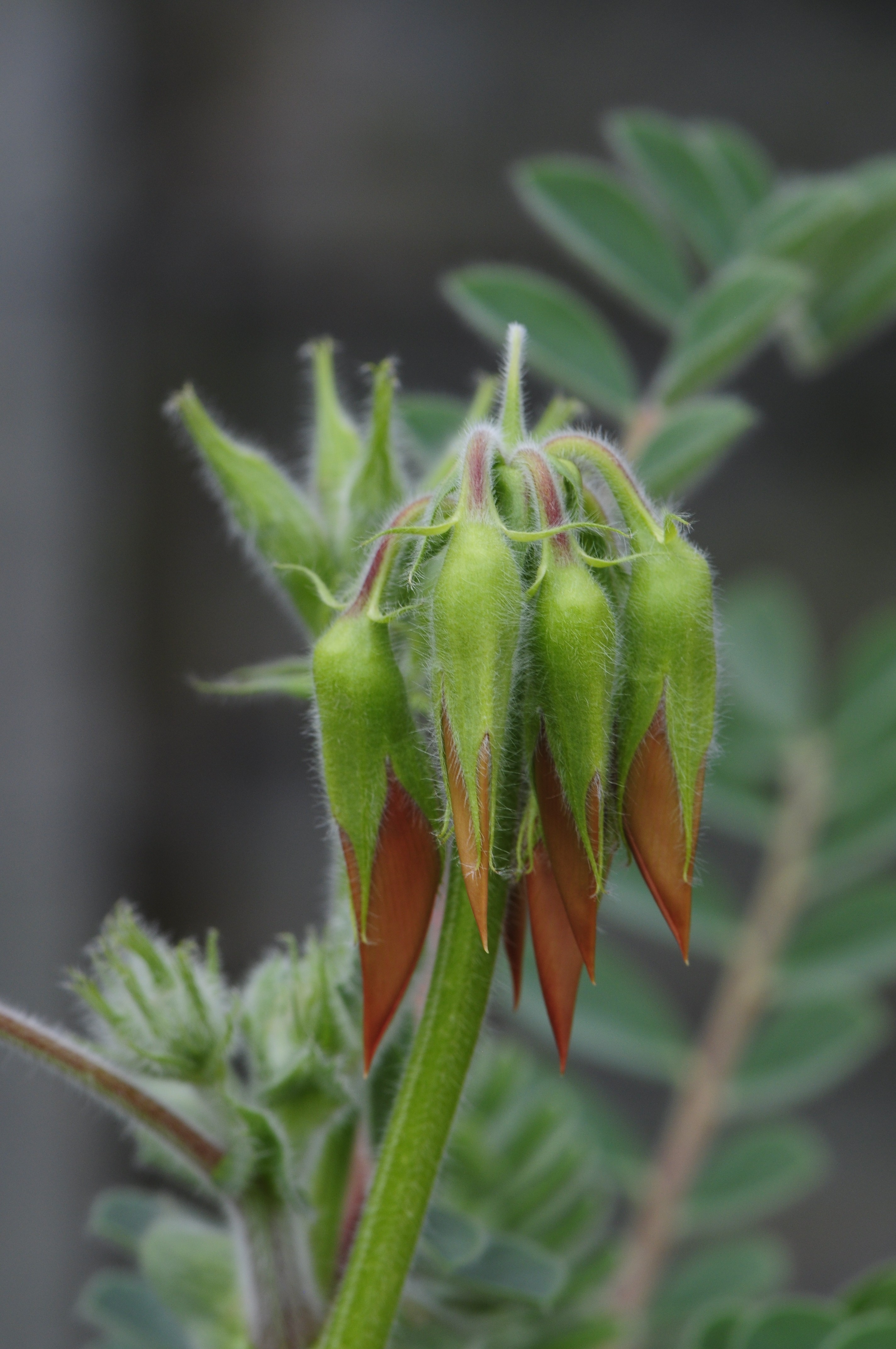 This plant, grown by Alison, is more commonly known as Sturt’s Desert Pea and is the floral emblem of South Australia.
Clianthus puniceus by Ian Nassif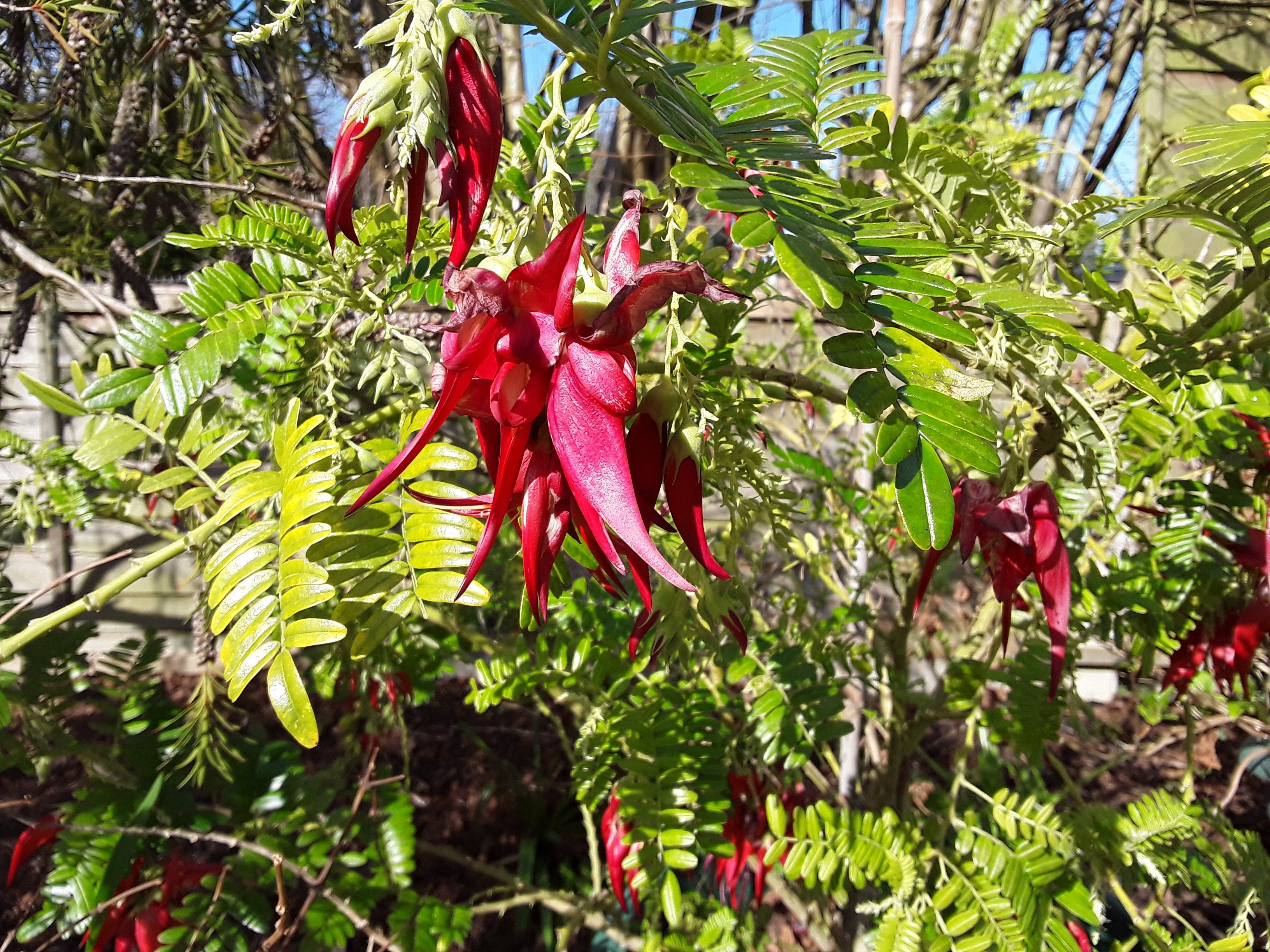
This Critically Endangered New Zealand native, which Ian grew from seed two years ago, was recently re-split into two species, with the eastern population now being called Clianthus maximus.
Eucalyptus caesia ‘Silver Princess’ by Blake Chaplin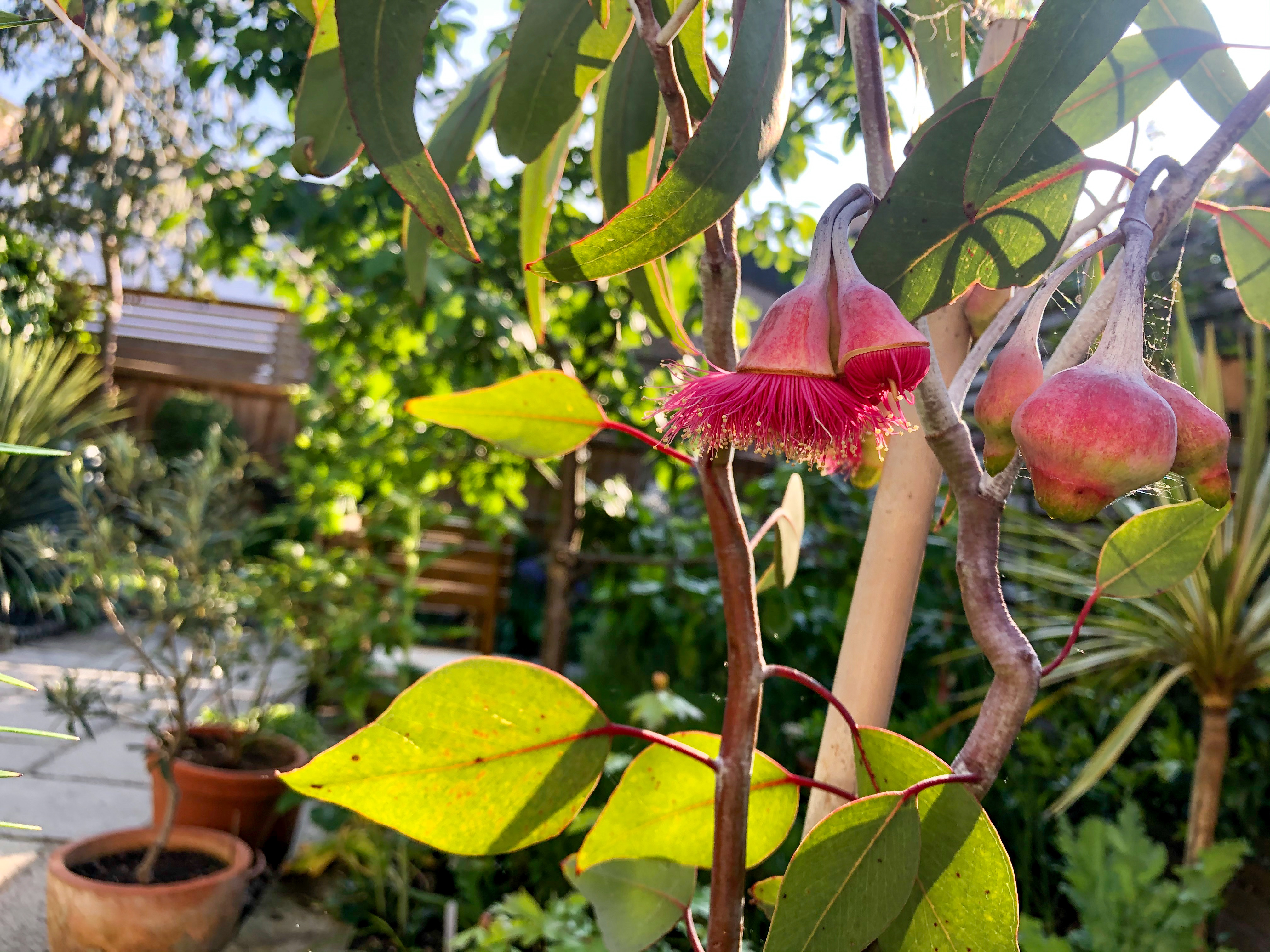 Blooming on 4th May 2020, this Western Australian mallee is growing in the ground in Blake’s garden in East London from seed sown in 2017.