All posts by anzplantsoc

Australasians as Houseplants

Thanks partly to climate change an ever increasingrange of native Australasian plants, particularly those from South East Australia, Tasmania and New Zealand are ideal for ‘urban’ gardening, as these areas with their heat island effect are some of the best places for growing these plants. 

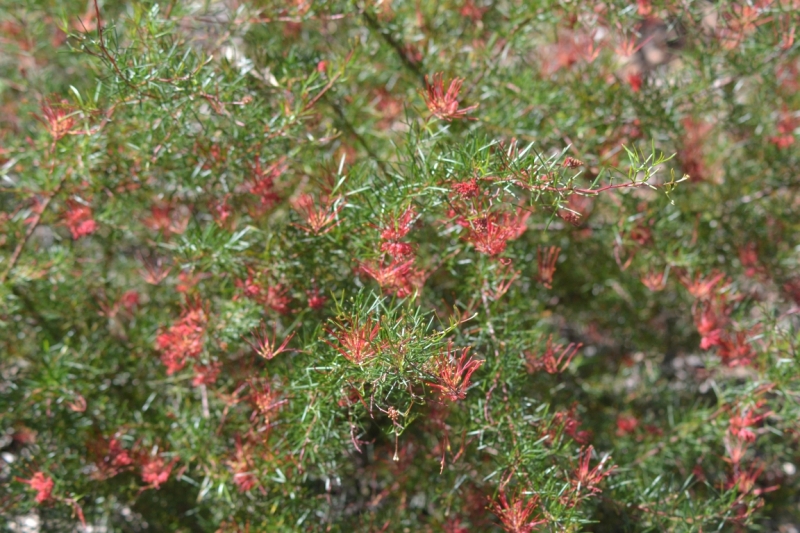
We are seeing more and more Acacia dealbata, red Callistemon and Grevilleas in towns these days, for instance. Many are evergreen and some such as Grevillea’s flower throughout winter thus making an ideal alternative to the normal ‘Winter Garden’ which is dependent upon coloured stems etc.

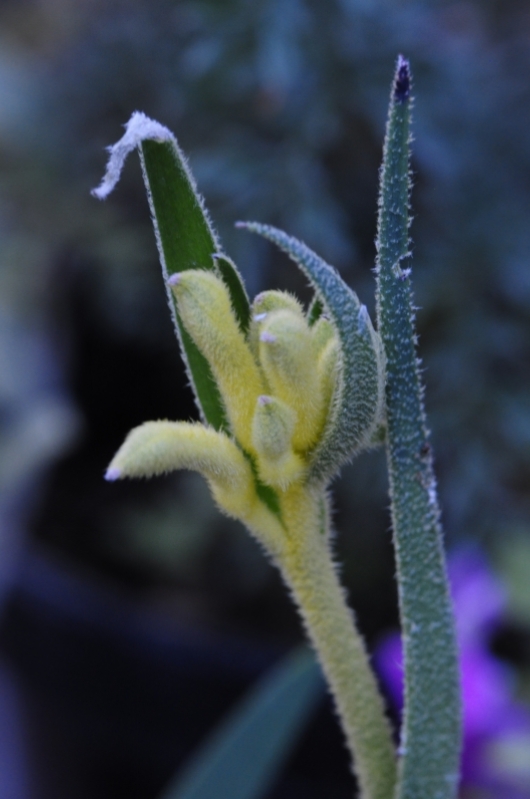
Something which needs to be explored in muchgreater detail is the use of Australasian plants asinteresting and unusual houseplants, including orchids such as Dendrobium kingianum cultivars and hybrids, ferns such as Pteris umbrosa, Asplenium bulbiferum, kangaroo fern and some smaller Platycerium species and cultivars. Other plants suitable as houseplants include Cissus antarctica(Kangaroo vine), Cephalotis follicularis (Albany pitcher plant), Howea forsteriana (Kentia palm) and smaller species such as Kangaroo Paw cultivars, Pycnosorus globosus and Brachyscomes. These also make excellent container plants and given winter protection will last for some time. 

Some of these were included in our large display in the Plant Heritage area of the Floral Marquee at Hampton Court last year.

Australian Dendrobium

Dendrobium kingianum and the natural hybrid Dendrobium x delicatum are two of the most frequently grown of the Australian Dendrobium orchids in the UK.

Dendrobium kingianum is a highly variable species in the wild, where it is often referred to as the ‘pink rock orchid’ for its habit of growing on rocky outcrops throughout its habitat from northern NSW to Queensland. It grows as canes which vary from about 10  to 20  cm in height carrying from two to seven apical leaves. Short spikes arise in the spring from the leaf axils carrying from a few to fifteen 1 – 2 cm fragrant flowers which vary in colour from white, through pink to almost purple. The pink form is most often seen in cultivation in the UK.

Dendrobium x delicatum is a naturally occurring hybrid of D. kingianum x D. tarberi. It is also found in NSW and Queensland, growing on rocks, cliff faces and escarpments. The 30 – 40cm high hard canes carry short spikes of between 10 and 25 small off white scented flowers.

These tough orchids are tolerant of a wide range of temperatures, but best grown at a minimum of 10C in the winter although they will tolerate much lower temperatures if kept very dry. They are normally grown in pots of orchid bark although I prefer chopped New Zealand sphagnum moss. They should be watered with dilute orchid fertiliser (or normal liquid plant food at one eight of normal strength). They should be allowed to nearly dry out before watering again and every third watering should be with pure rain water, allowing excess water to run out of the bottom of the pot in order to avoid salt build up. Watering should be stopped completely at the end of the growing season and not recommenced until after the spring flowering.

Both orchids are quite prone to producing tiny new growths (keiki’s) in place of flower spikes if the compost is kept at all moist or fertilised during the winter rest and this in part might explain why they are such relatively widespread orchids amongst growers in the UK.

Numerous named line-bred cultivars and crosses of D kingianum with other native Dendrobiums have been produced particularly in Australia and these tend to have much larger flowers in a range of whites, pinks and purples, often with intricate markings on the petals and sepals.

Cephalotis follicularis

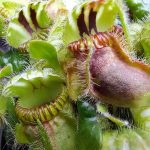
Cephalotis follicularis is endemic to the peaty swamps of Esperance Bay in South West Australia. It is exposed to relatively high light levels and summer temperatures of around 25 – 30C. Winter temperatures are normally in the region of 10 – 20Calthough it will tolerate light frosts down to -2C for short periods of time. It is the only species in the genus Cephalotis although a number of cultivars are now available in its native Australia.

It is a small, low growing (to 10cm) evergreeninsectivorous plant with two types of leaves, small flat evergreen photosynthesising leaves and specialist pitcher shaped leaves (to approximately 5cm). 

Glands within the pitcher produce digestive juices and small hairy projections on the rim of the pitcher point downwards making it difficult for insects to escape.

In the UK it can be grown in heated greenhouses or conservatories or on bright windowsills indoors.Most plants currently available in the UK are probably grown in mixtures of sand or perlite plus peat although it is likely that they will succeed well in sphagnum moss mixtures. 

They are relatively easy to look after as long as they are only watered with deionised or rain water which is best applied only via a shallow tray and kept at a low level to reduce the chances of rotting. The pitchers show their full colours in natural sunlight but are greener in colour in slight shade.

They can be kept outdoors in spring or summer as long as they are protected from slugs and snails but will need indoor protection in the winter.

Pteris umbrosa

Pteris umbrosa, the jungle brake fern is a slightly tender (to -5C) clump-forming evergreen fern with erect fronds and wavy linear to lance-shaped glossy leaflets, native to rainforest areas of Eastern Autralia.

It reaches a height of 0.5 – 1.0 metres and prefers well drained neutral to slightly alkaline soil conditions. It prefers to grow in partial to fairly deepshade outdoors or on an east or west facing windowsill indoors.

In indoor cultivation it should be kept in indirect light and should not be subjected to an excessively dry atmosphere. It can be kept on a moist gravel tray to increase humidity.

Plants should be allowed to partially dry out between watering and fed every four weeks or so in spring or summer. They may require repotting every few years.
Publications

Members can purchase these hard to get publications at very reasonable prices.

Australian Plants – A Guide to their Cultivation in Europe (£10 plus postage)

We have managed to obtain some more copies of this excellent book by Thomas Ross and Jeffrey Irons, one of the founders of the APS. It has detailed information about selected Australian species that can be successfully cultivated in Europe along with a list of the characteristics and cultivation requirements of another 500 plants. This data is based on personal experience; the authors cultivated almost all of the plants listed in the book themselves, in gardens in Britain, Germany and Spain.
The temperature data on are particularly useful. As hardiness varies with circumstances a ‘danger zone’ is given for every plant listed. At the upper limit plants growing in less than ideal conditions are likely to be harmed; at the lower limit even established plants will most probably be severely damaged and may die.

Eucaflip (£7.50 plus postage)
This full colour photo-guide is designed to enable easy identification of all 29 eucalypt species native to Tasmania. It was recommended by the late John Purse as the best guide for identifying eucalypts in the UK, as the species most commonly grown here are from Tasmania. It illustrates the key diagnostic features – fruit, buds, bark and leaves – with life-size photographs. It is laminated and light enough to carry. When fully open it measures 92 by 48 cm but it folds up to 23 by 12 cm.

Photo Competition 2026

Please see the winning images which were announced at our annual meeting on 11 April 2026, plus all the entries below. Double click on an image to see a full size version.

Category 1 – My favourite Australasian Plant showing the whole plant or part of it, taken in my garden conservatory or greenhouse.

Category 2 – Close up of any plant of Australasian origin, showing diagnostic features (for example leaves or flowers), taken anywhere in the world.

Category 3 – Group of Australasian plants, in a private or public garden, anywhere in the world.

A reminder of the entry requirements:

The competition is free to members and simple to enter.  See entries from previous competitions below. Simply find your favourite images or take some new ones, choose which categories you wish to enter, and send in your entry. You can send in your entry in now, with a final deadline of Monday 16th March 2026.

The categories are:

  1. My favourite Australasian plant, showing the whole plant or part of it, taken in my garden, conservatory or greenhouse.
  2. Close up of any plant of Australasian origin showing diagnostic features (for example, leaves or flowers), taken anywhere in the world.
  3. Group of Australasian plants in a private or public garden, anywhere in the world.

Please send entries as .jpeg files to Gill at publicity@anzplantsoc.org.uk. Please include your name, entry category and photograph title in the name of your jpeg file, for example: JJSmithcat1silverwattle.

Images, without the name of the photographer, will be available to view via the website. Members will be able vote once for their favourite image in each category. Voting will take place online from the 20th March – look out for the voting forms.

There will be a prize for the winner and the runner up in each category and the results will be announced at the 2026 AGM at Sir Harold Hillier Gardens on Saturday 11th April. Winning photos will be placed on the APS website and printed in the May 2026 issue of Pentachondra.

Finally, just a quick reminder of the rules.

  1. Only photographs taken by current APS members and not used commercially will be accepted.
  2. Photos can have been taken at any time.
  3. Entries are limited to two per member per category.

Please note that while copyright of images will remain with the photographer the APS, as part of entry to this competition, would like to use any images to further its aims and to promote the APS and its photography competition. This includes publishing photos in APS publications, on the website, or on social media, and to use images in combinations with others. All published photographs will be credited.
In your entry email please note who a photo should be credited to, or if no credit is required. If you only want your photo entered in the competition, please state ‘Photo only for this competition’ in your entry email.

We’d love to see your images of Australasian plants and we look forward to receiving your entry.


Photo Competition 2025

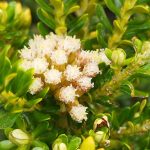
Here are some of the photo entries from Colin Kitchener, who won a prize in each category:

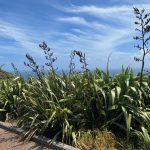
Class1, Individual plant of Australasian origin. Credit Colin Kitchener.

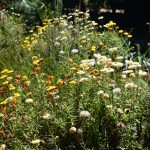
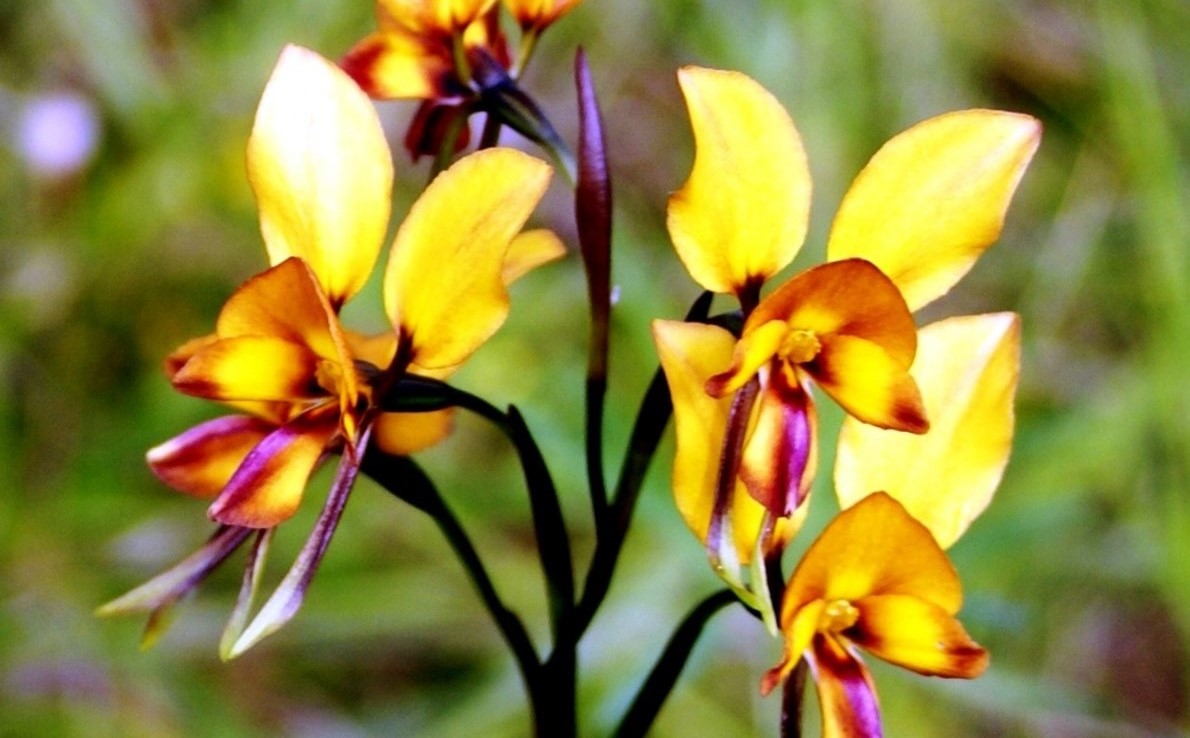
Class 2, Close up of a plant of Australasian origin. Credit Colin Kitchener.

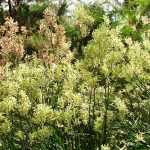
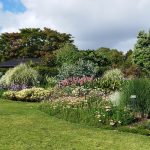
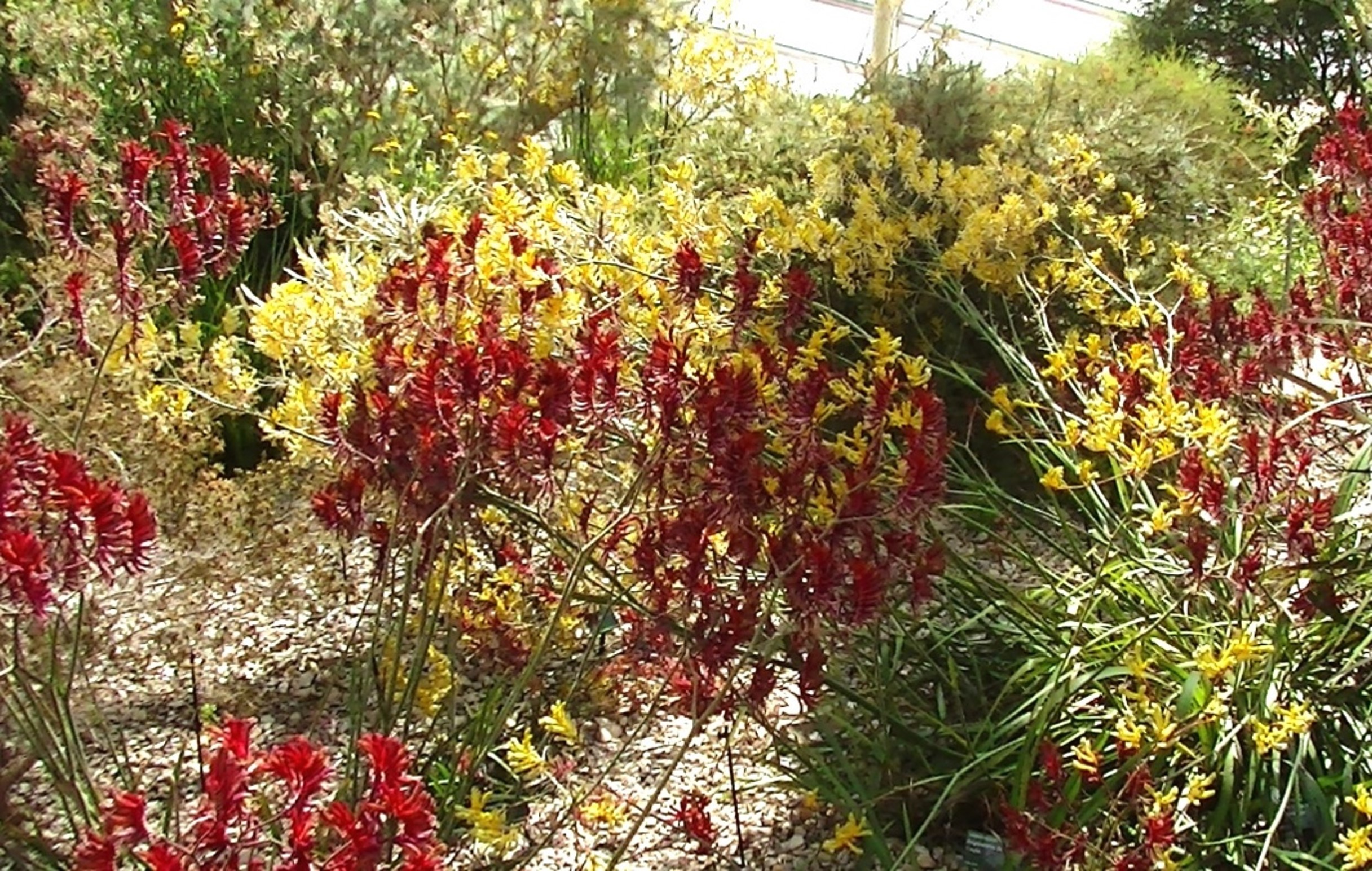
Class 3, Group of Australasian plants in a garden. Credit Colin Kitchener.

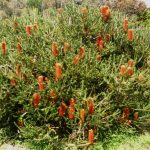
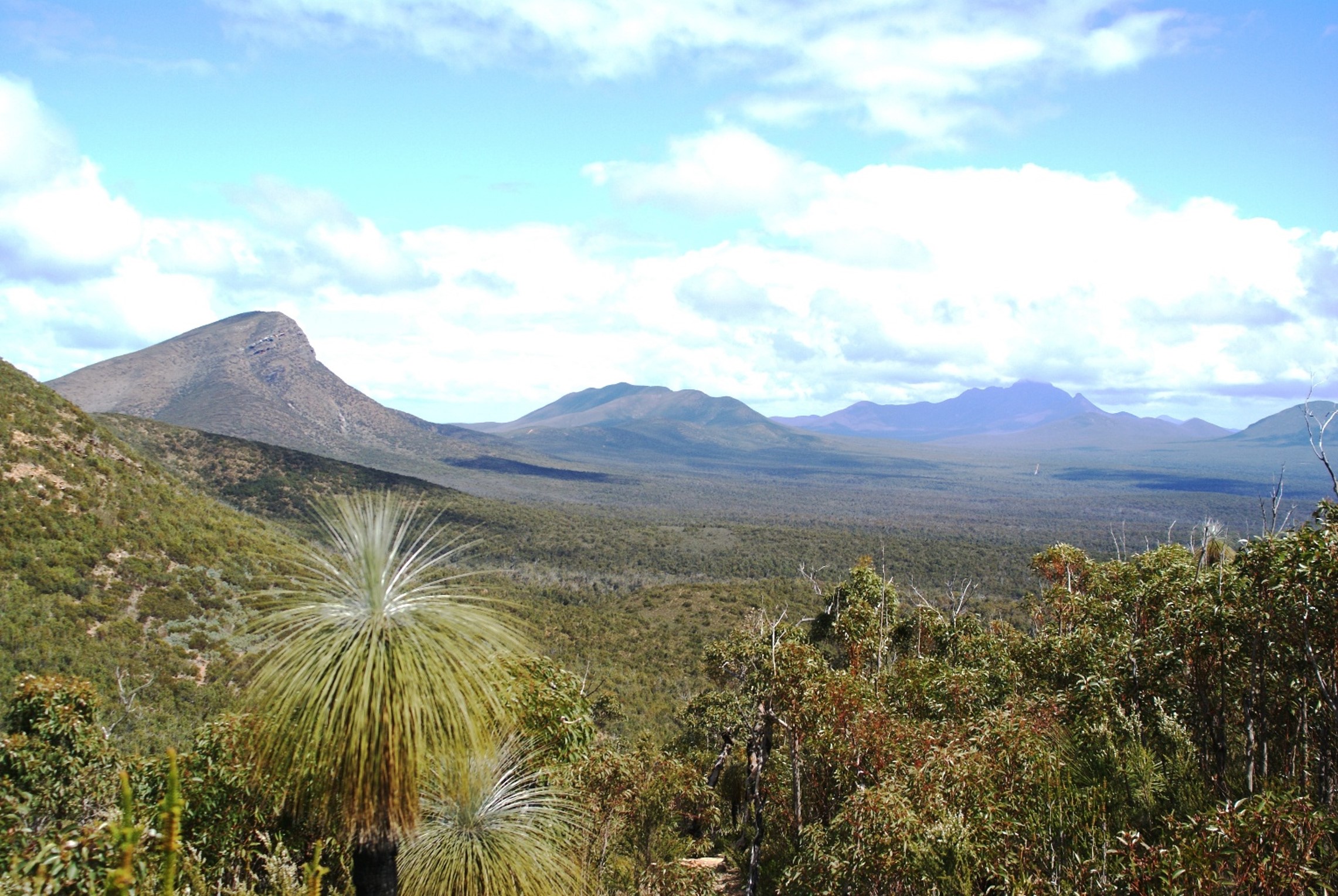
Class 4, Australasian plants in a landscape in Australia or New Zealand. Credit Colin Kitchener.

Photo Competition 2020

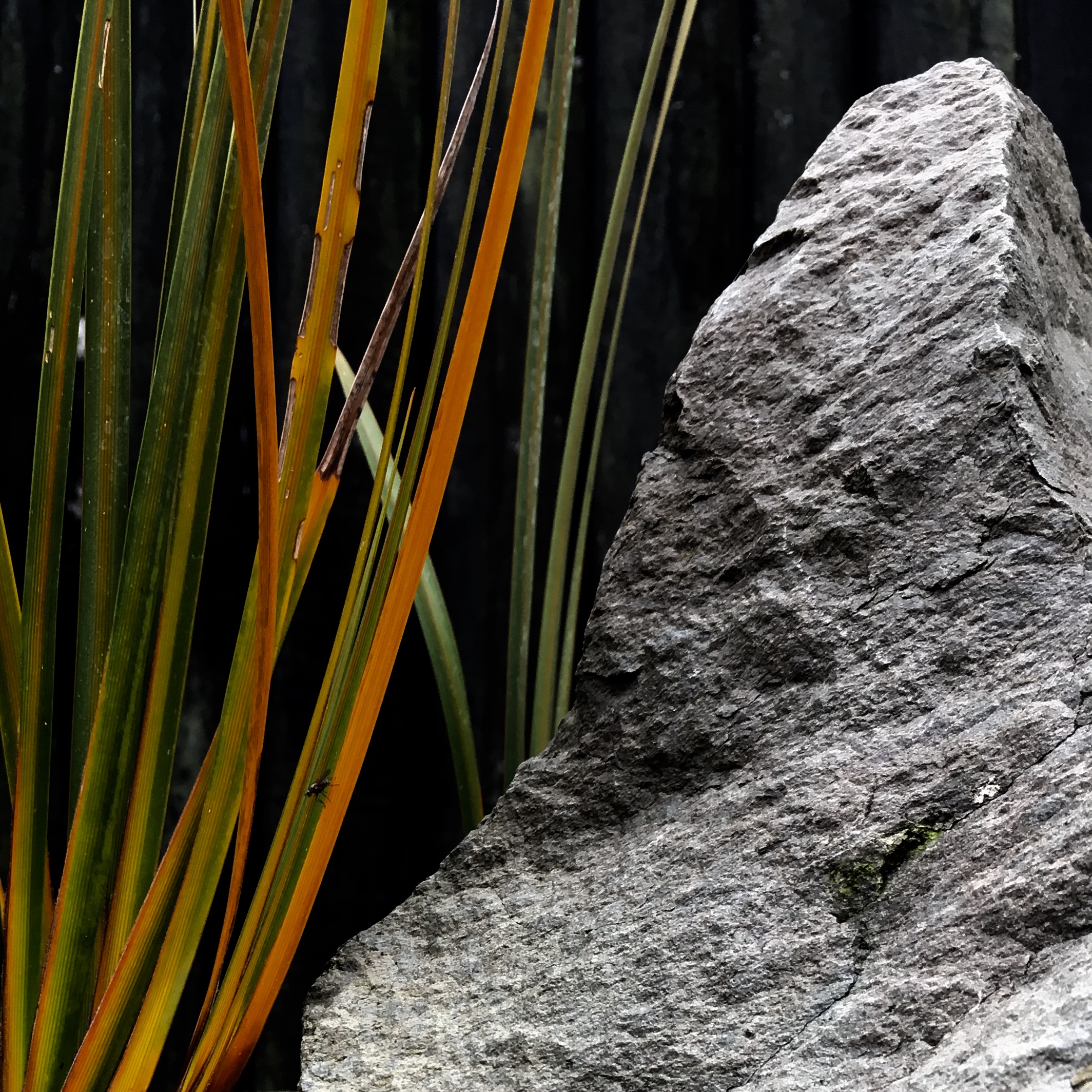
Libertia peregrinans by Hugo Danckwerts This New Zealand native is growing in a concrete rock garden container in Hugo's gardenThis striking New Zealand native is growing in a concrete rock garden container in Hugo’s garden.

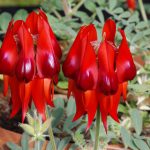
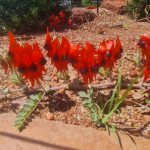
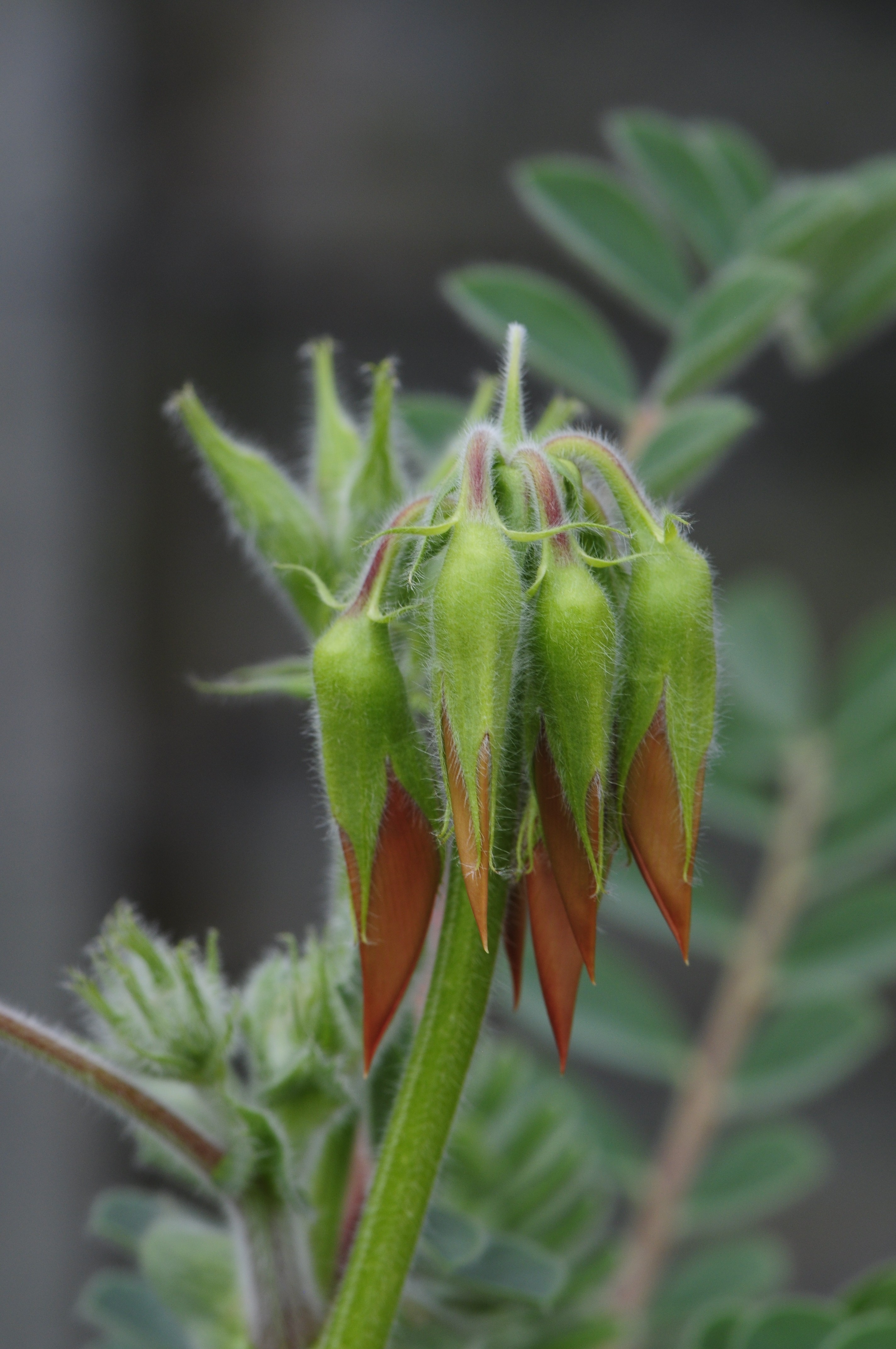
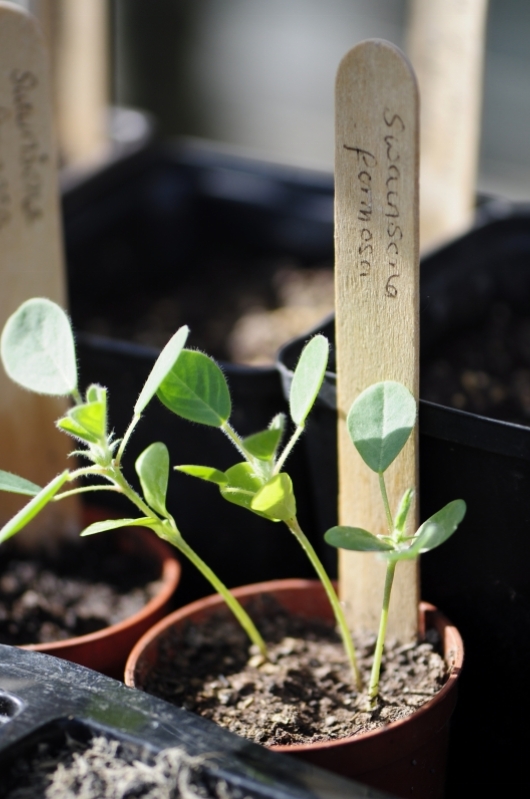
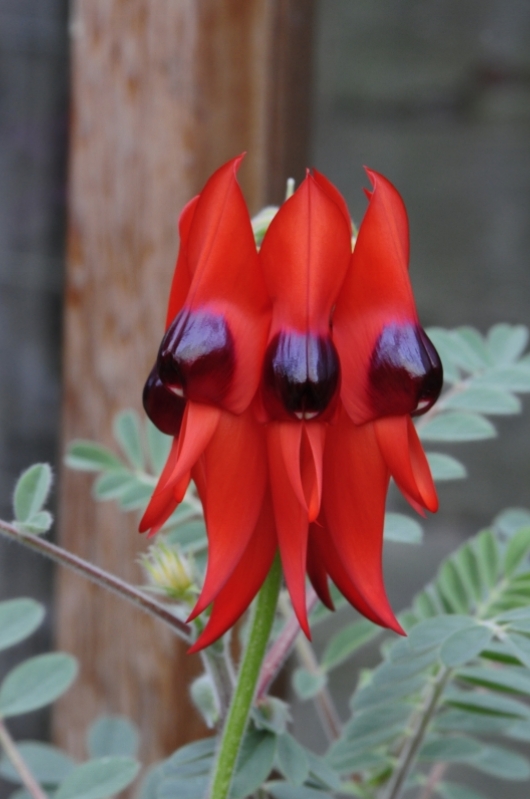
Swainsonia formosa by Alison FosterSturt's Desert PeaThis plant, grown by Alison, is more commonly known as Sturt’s Desert Pea and is the floral emblem of South Australia.

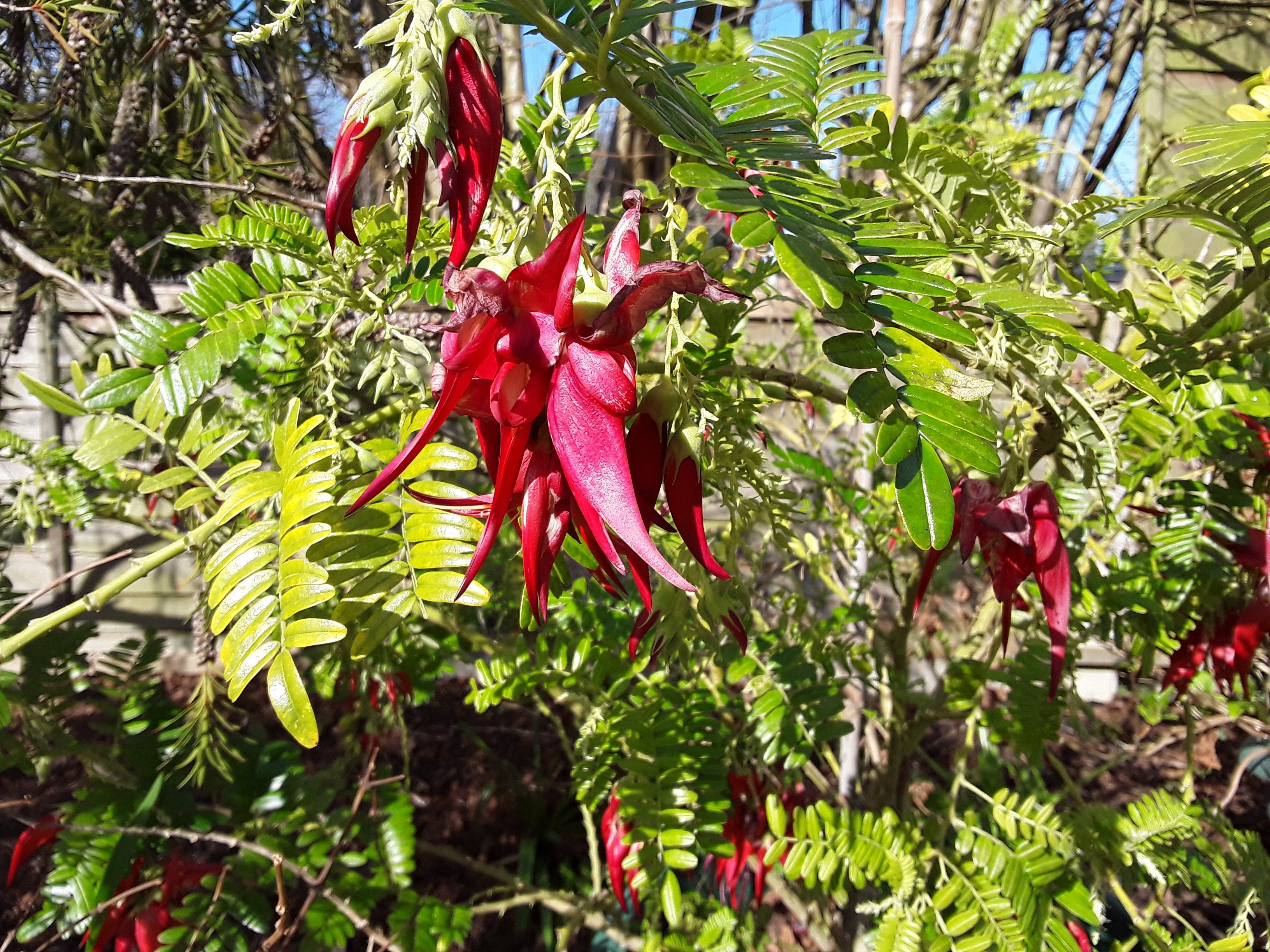
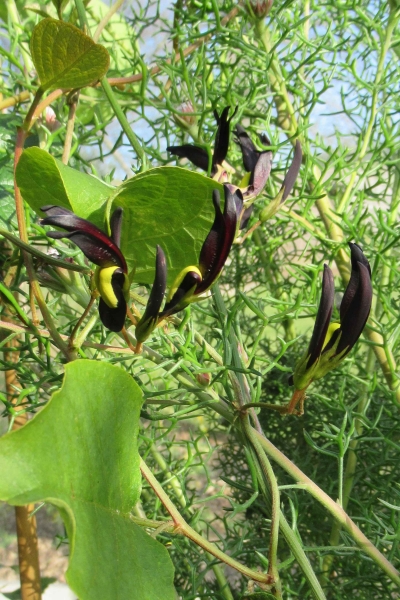
Clianthus puniceus by Ian NassifThis Critically Endangered New Zealand native plant was re-split into two species in 2000. In 2005 there were 153 wild plants of the eastern species. All plants of the northern species are cultivated. Clianthus maximus (the eastern species) differs from Clianthus puniceus (the northern species) by the dark green, glossy leaves and larger, very dark red flowers which are blotched dark purple-black near the base (rarely with faint white stripes) while the spur is uniformly dark red.
This Critically Endangered New Zealand native, which Ian grew from seed two years ago, was recently re-split into two species, with the eastern population now being called Clianthus maximus.

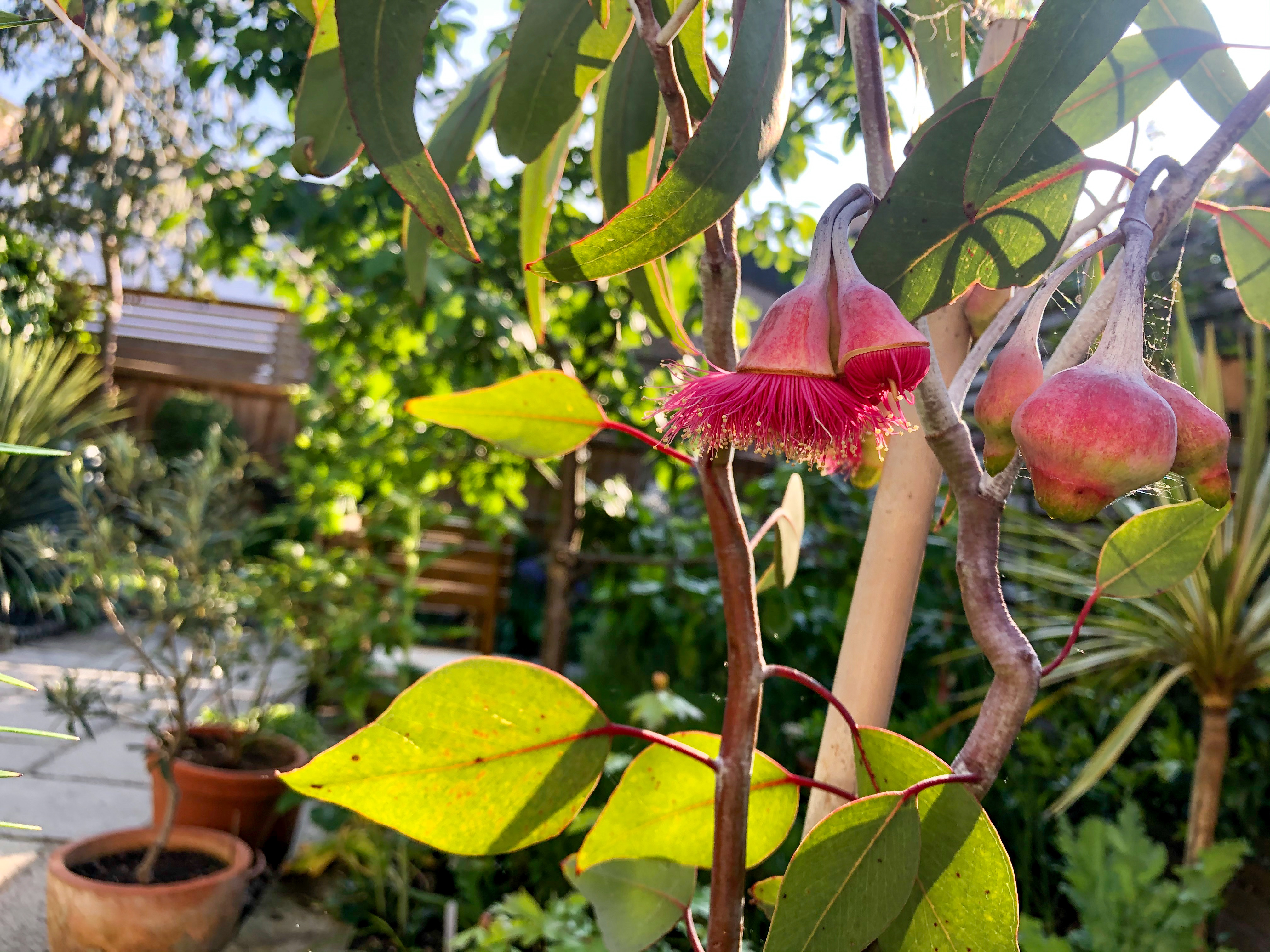
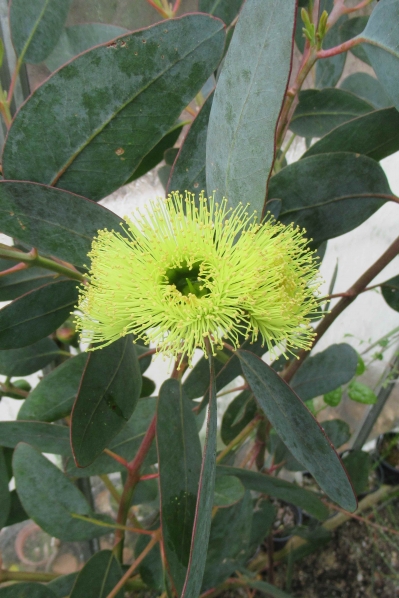
Eucalyptus caesia ‘Silver Princess’ by Blake ChaplinBlooming on 4th May 2020, this Western Australian mallee is growing in the ground in Blake's garden in East London from seed sown in 2017.Blooming on 4th May 2020, this Western Australian mallee is growing in the ground in Blake’s garden in East London from seed sown in 2017.

Grevillea

Grevilleas in cultivation

We would like to find out which species, cultivars and varieties of Grevillea are being grown by our members.
Would you please take a few minutes to answer our survey?


Create your own user feedback survey

Conservation

Conserving Australasian plants; how we can have a real impact.

During our special general meeting on 15th November 2014 it was decided that we, as a society, needed a clear guide as to what we wanted to achieve. A mission for the society was created which would drive everything the society does into the future. We became

The Australasian Plant Society
– for promoting the cultivation and conservation of Australasian plants and their closest relatives in the northern hemisphere

The cultivation aspect of this is comparatively easy to achieve as we all love growing amazing plants from Australia and New Zealand but the conservation aspect is a little trickier. We have decided to take a two-pronged approach

Clianthus puniceus (Kaka Beak) is endangered in the wild yet grown regularly in gardens.
1 – Protecting Australasia’s cultivated plant varieties

Australasian plants form an important part of the world’s garden flora. They extend the season of interest in gardens right through the winter and provide much needed food for pollinators during difficult times. They are unique, they challenge us and they give us a taste of the exotic. Yet, this exact set of attributes puts these antipodean gems at risk in cultivation outside of their native lands.

Many have been grown in Europe for over 200 years yet are considered tender and difficult, a label which is often unwarranted.

To help us combat the loss of cultivated varieties of Australia and New Zealand’s plants we have joined forces with Plant Heritage (The world’s leading cultivated plant conservation charity) to help stop the loss of these cultivars and varieties from our gardens. Several members of the APS hold National plant collections and go a long way to keeping these plants in cultivation and we are also now able to go a step further through the Plant Heritage Plant Guardians scheme. If you grow an Australasian plant that you know to be rare in cultivation (a good guide is if it is listed by two or fewer nurseries in the RHS plant finder) you could register as a Plant Guardian. You don’t have to be a member of Plant Heritage to do so as you can do it directly through your membership of the APS.

By conserving plants this way we can help the world meet important international targets through the Aichi Biodiversity agreement (part of the Convention on Biological Diversity) Target 13 – By 2020, the genetic diversity of cultivated plants and farmed and domesticated animals and of [their] wild relatives, including other socio-economically as well as culturally valuable species, is maintained, and strategies have been developed and implemented for minimizing genetic erosion and safeguarding their genetic diversity.

If you would like to know more about the Plant Guardians scheme or would like to conserve a threatened plant through it, contact our chairman by email at chairman@anzplantsoc.org.uk

2 –  Conserving Australasia’s Threatened Plant Species

Australia has over 20,000 species of vascular plants and New Zealand has a further 2,500 (most of which are endemic). It is an unfortunate fact that many of these species are severely threatened with extinction. In 2002 the Global Strategy for Plant Conservation (GSPC) was adopted by the Parties to the Convention on Biological Diversity. It was a bold step for the conservation of the world’s plants

Part of the GSPC is concerned with the conservation of plants through cultivation and this goal was laid out in Target 8 of the strategy. – At least 75 per cent of threatened plant species in ex situ collections and at least 20 per cent available for recovery and restoration programmes.

Through an agreement with BGCI (Botanic Gardens Conservation International) we are now able to make the plants our members are growing in their gardens count toward this target. BGCI is the world’s largest plant conservation network and it is through its Plant Search database that the GSPC Target 8 is assessed.

We are now able to upload information to the database enabling us to make sure the plants conserved in members gardens really count for conservation internationally. If you have a collection of Australasian plants that you would like to count towards worldwide conservation targets, then please complete a copy of the Excel spreadsheet below, save this file in .CSV format (File>SaveAs>CSV (Comma delimited), and return it to chairman@anzplantsoc.org.uk. If you have any questions or queries about this initiative, please drop our chairman a line at the same email address.

Access the spreadsheet and plant upload instructions by clicking on the picture below

PlantSearchUploadCSVexampleRevised


N.B. BGCI is an independent organisation and is governed by the Data Protection Act. Any information passed to them will be anonymous and only the details of the species held by APS members will be shared.

With over 400,000 known plant species, and such vast diversity in Australasia, the challenge of conserving plant diversity is too big a job for just a few people. It is with your help that we, as a society, can really step up to this challenge and make a difference for the plants we all grow and love.

There were once over 200 cultivars of Epacris impressa in British cultivation but now its not available at all.